
If you’re thinking about hiring a malpractice lawyer, it usually means something went very wrong with your medical care. You might be in pain, scared about the future, and unsure whether you even have a case. Knowing what to expect from the process – and from the lawyer you hire – can take some of the fear out of the equation.
Below is a short, human-focused guide to what typically happens in the United States when you hire a medical malpractice attorney.

1. The First Contact: Free Consultation and Case Review
Most malpractice lawyers in the U.S. start with a free initial consultation. This can be in person, by phone, or over video.
During that first conversation, you can expect the lawyer to:
- Ask you to tell your story in your own words – what happened, who treated you, and how you were harmed.
- Go over your timeline: when you first sought treatment, when things went wrong, and what has happened since.
- Ask about your current health, limitations, and how this has affected your work and family.
- Review any medical records, discharge summaries, or bills you already have.

Don’t worry if you don’t have everything perfectly organized. A good lawyer will help you figure out what documents are missing and how to get them.
Just as important: you are interviewing them too. Notice whether they listen carefully, interrupt you, or brush off your questions. A malpractice case is a long journey; you want someone you feel comfortable with, not just someone with a law degree.
2. Fees: How Payment Usually Works (Contingency Basis)
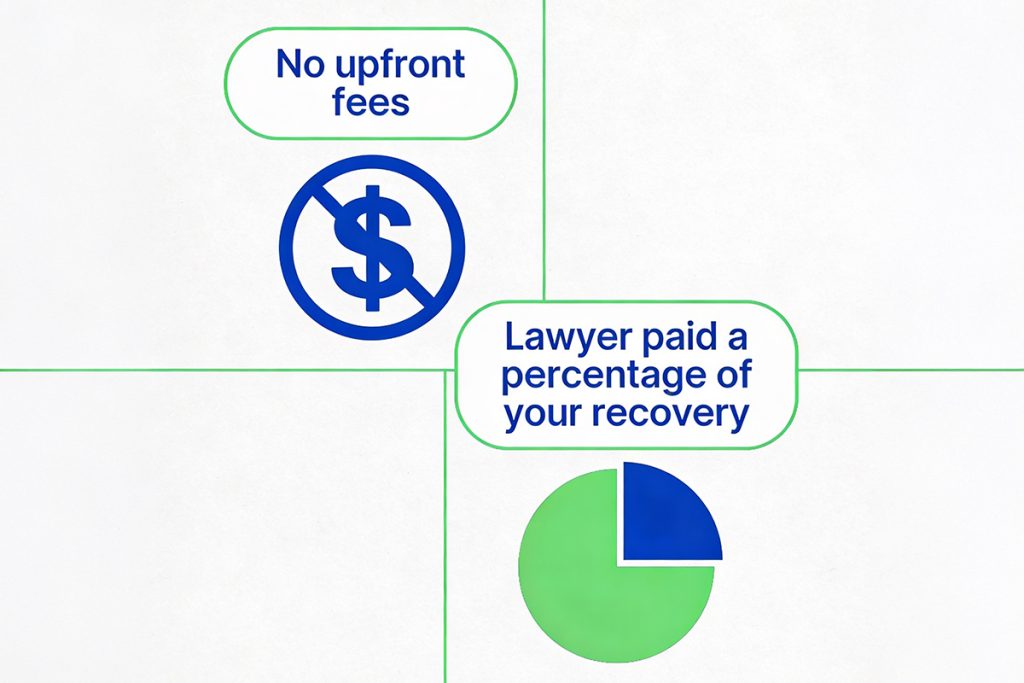
In medical malpractice, lawyers almost always work on a contingency fee:
- You don’t pay hourly.
- You don’t pay a big retainer.
- The lawyer’s fee is a percentage of whatever money they recover for you (through settlement or verdict).
In many states and firms, that fee is around one-third to about 40% of your recovery, depending on the complexity of the case and state rules. If there’s no recovery, you typically don’t owe attorney’s fees.
However, malpractice cases are expensive to run. Your lawyer will usually advance “case costs” such as:
- Medical expert review and testimony
- Fees to obtain and copy medical records
- Court filing fees and deposition transcripts
At the end of the case, if you win or settle, those costs are usually repaid from the settlement, separate from the lawyer’s fee. A responsible lawyer will explain all of this clearly and put it in writing before you sign anything.
3. What Your Lawyer Does Behind the Scenes
Once you hire a malpractice lawyer, a lot happens that you may not see day to day.
Typical steps include:
- Gathering complete medical records from hospitals, clinics, and specialists.
- Having those records reviewed by one or more independent medical experts in the same field as the doctor you’re suing.
- Deciding whether the care you received fell below the accepted standard for that specialty.
- Calculating your damages – not only medical bills, but also lost income, future care needs, and the impact on your daily life.
Only if the lawyer and their experts believe your case has legal and medical merit will they usually move forward with a formal lawsuit. This screening process protects you from investing years into a case that has very little chance of success.
4. The Timeline: It’s a Marathon, Not a Sprint
One of the hardest truths to hear is that malpractice cases are slow.
You should realistically expect:
- Several months for the lawyer and their experts to fully investigate your case before filing.
- Often 1–2 years of “discovery,” where both sides exchange records, take depositions, and argue preliminary motions.
- Settlement talks at different points along the way – sometimes early, more often after key depositions or expert reports.
- If your case goes to trial, a week or more in court, plus delays while the court schedules you.
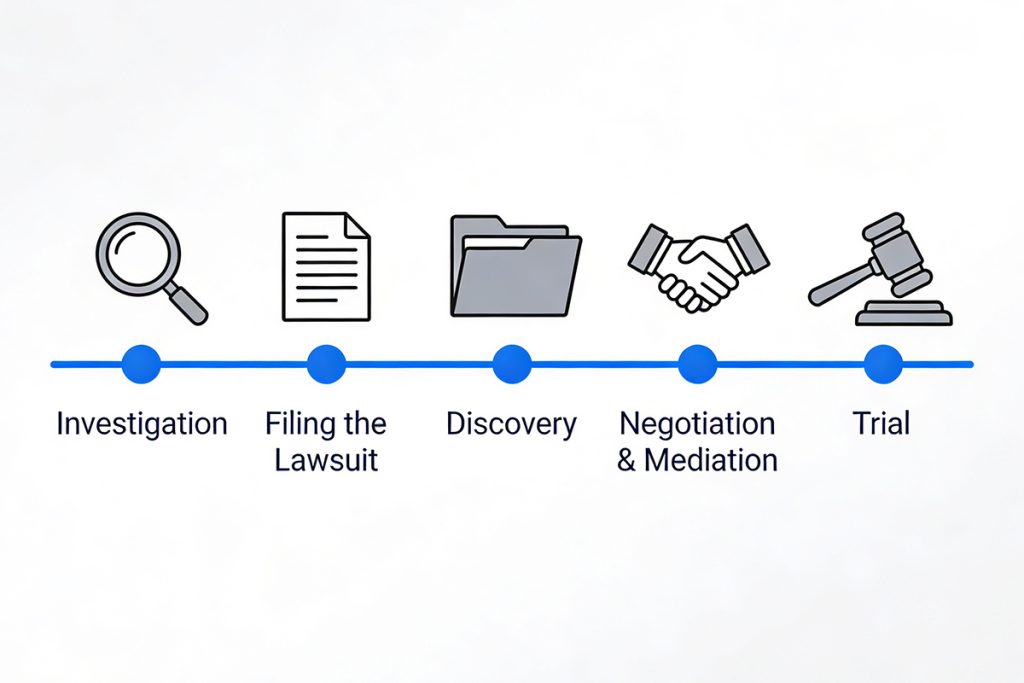
All told, many malpractice cases take 2–3 years or longer from first consultation to resolution. A good lawyer will set these expectations upfront so you’re not surprised when months go by between major visible events.
5. Communication: What a Healthy Lawyer–Client Relationship Looks Like
You shouldn’t feel like you’ve been dropped into a black hole after you sign the fee agreement.
Reasonable expectations:
- Your lawyer (or their team) updates you when something important happens – a lawsuit is filed, the defense responds, a hearing is scheduled, a settlement offer comes in.
- When you call or email with a question, you get a clear, respectful answer within a reasonable time.
- Before any big decision – like accepting or rejecting a settlement offer – your lawyer explains the pros and cons, the risks of trial, and their honest opinion, and then lets you decide.
On your side, your lawyer will expect:
- Honesty, even about facts you’re embarrassed or worried about (prior conditions, past lawsuits, etc.).
- Reasonably quick responses when they need information from you.
- Your presence at key events like medical evaluations, depositions, and, if needed, trial.
The best malpractice lawyers see you as a partner in the case, not just as a file number.

6. Emotionally: What You Can Expect to Feel
It’s normal to feel:
- Angry at what happened
- Overwhelmed by medical and legal jargon
- Impatient with how long everything takes
- Nervous about testifying or being questioned
A good lawyer doesn’t just “handle the law”; they acknowledge the human side:
- They prepare you carefully for depositions and hearings so you know what to expect.
- They remind you which parts you can control – telling the truth, showing up, following medical advice – and which parts you can’t.
- They are honest about what the legal system can provide (money, sometimes institutional change) and what it can’t (an apology, punishment, emotional closure).
7. In Short: What You Should Expect
When you hire a malpractice lawyer in the U.S., you should reasonably expect:
- A free, honest initial consultation
- A contingency fee arrangement, explained clearly and in writing
- A thorough medical and legal investigation before anyone files suit
- A multi‑year process, with steps and delays your lawyer explains along the way
- Respectful, plain‑English communication about strategy and decisions
- Someone who understands that you’re not just a case—you’re a person whose life was turned upside down
If a lawyer can offer you those things, you’re not just hiring representation. You’re hiring a guide through one of the hardest chapters of your life.


